
The benefits of learning a second language reach far beyond words. They shape how students think, feel, and connect with the world. For parents who want their children to build skills that last a lifetime, language learning is one of the smartest investments you can make.
This article walks through the ten most important benefits of learning a second language and how UNIS Hanoi builds them into everyday learning, including our English as an Additional Language programme.
Quick answer: Learning a second language gives students a lifelong advantage. It strengthens literacy, memory, focus, and empathy, boosts confidence, and opens new friendships and career paths. At UNIS Hanoi, ten key benefits stand out: better literacy, stronger academic performance, sharper memory, improved multitasking, clearer communication, higher self-confidence, deeper cultural awareness, new global relationships, a stronger first language, and better future career opportunities.
10 Benefits of Learning a Second Language for Students
The benefits of learning a second language for students are numerous and multifaceted, supporting their academic, personal, and professional development.
1. Enhances Literacy Skills
By learning a new language, students acquire greater metalinguistic awareness that enables them to identify sentence structures, grammatical conventions, and syntactic patterns. The knowledge of compound sentence formation and multi-vocabulary also improves essay writing and reading abilities.

At UNIS Hanoi, our bilingual and multilingual programs provide opportunities for immersion and context-based language acquisition through extensive and rich linguistic exposure.
2. Improves Academic Performance
Second language learners often excel across multiple school subjects. Indeed, second language students have better attention control, working memory, and analytical thinking, which are advantages in mathematics, science, and reading.

At UNIS Hanoi, students develop language skills through an inquiry-based, interdisciplinary curriculum that helps them generate cross-disciplinary ideas and learn more effectively.
3. Boosts Memory and Brain Function
To learn a second language, students must actively build vocabulary, conjugate verbs, understand phonetics, and grasp sentence structure, as these skills strengthen both short-term and long-term memory. Bilinguals possess increased grey matter in regions of the brain involved in attention and cognitive control.
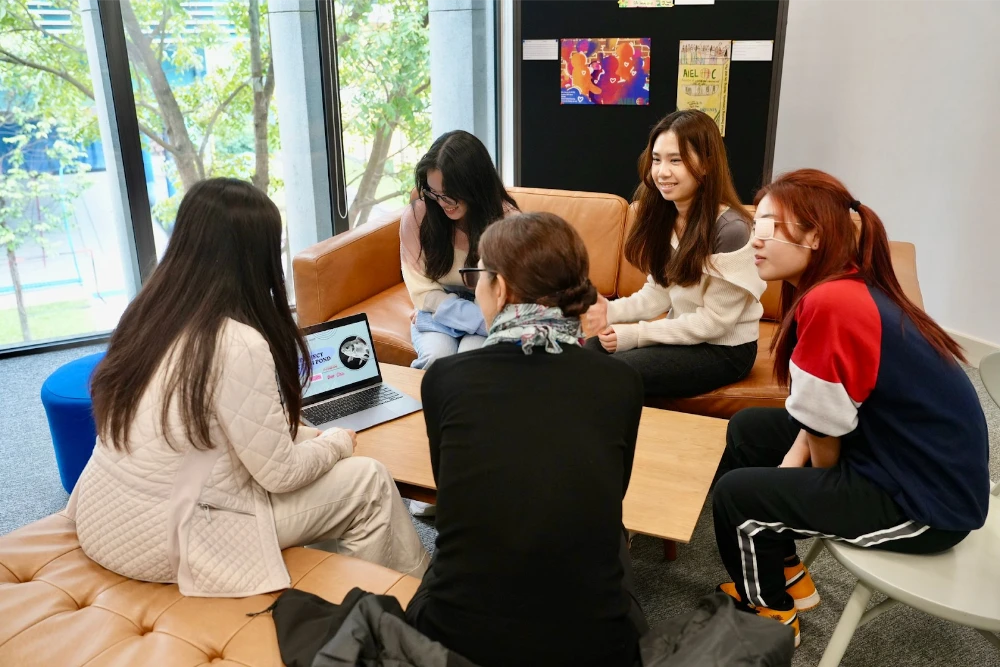
UNIS Hanoi promotes early language learning to stimulate neurological development and improve our learners’ mental well-being through their learning process.
4. Improves Multitasking Skills
Alternating between two languages places an executive control system in the brain of a student into operation. The cognitive switching improves his capacity to multitask, prioritise well, and remain focused in unstable or intricate circumstances.

Bilingual students are able to cope with more than one command and different contexts, either in class or in actual life. Different linguistic contexts that our UNIS Hanoi students encounter every day enhance their multitasking ability and flexibility.
5. Fosters Communication Skills
Acquiring a second language develops the skill in listening, reading non-verbal signals, summarising concepts, and expressing sophisticated ideas openly.
These skills are valuable in many settings, from university coursework and debates to social conversations and job interviews. Students become improved listeners and more reflective speakers.
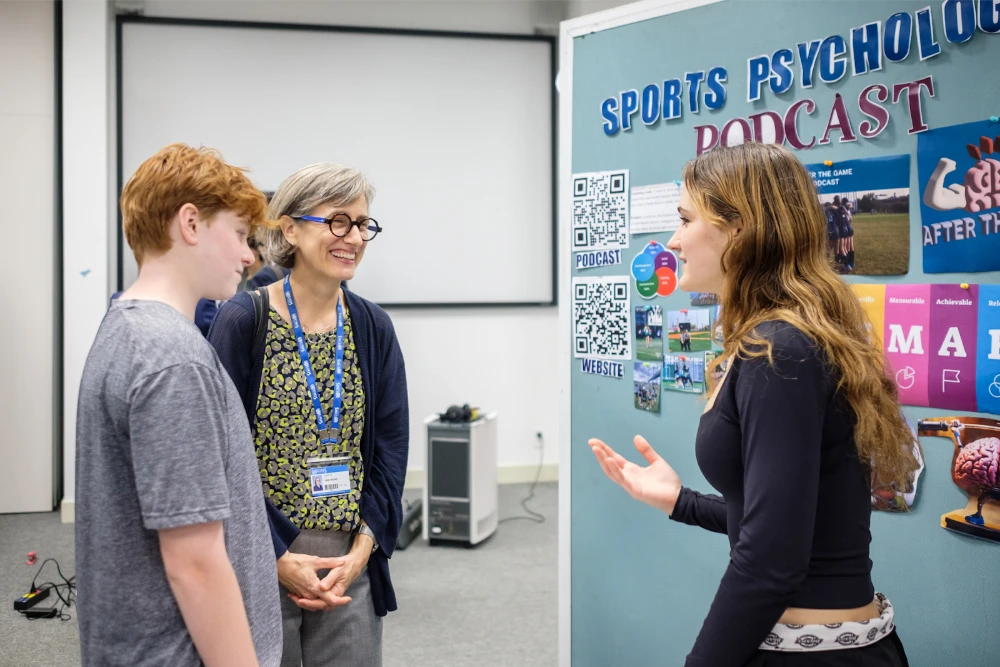
UNIS Hanoi language instruction stresses both spoken and written language, encouraging students to communicate clearly and respectfully in multicultural environments.
6. Enhances Self-Confidence and Fulfilment
As students gain the ability to hold conversations, read texts, and understand media in another language, their self-confidence grows significantly. These successful experiences build a sense of mastery, motivating students to set and pursue higher expectations.

UNIS Hanoi creates an atmosphere wherein students’ language achievements are noticed and imitated, fostering emotional resilience and intrinsic motivation.
7. Promotes Cultural Awareness and Empathy
Every language reflects a unique worldview, and learning it offers direct insight into the culture, values, and traditions of the people who speak it. This cultural exposure deepens empathy, tolerance, and curiosity and allows students to build deeper intercultural understanding.
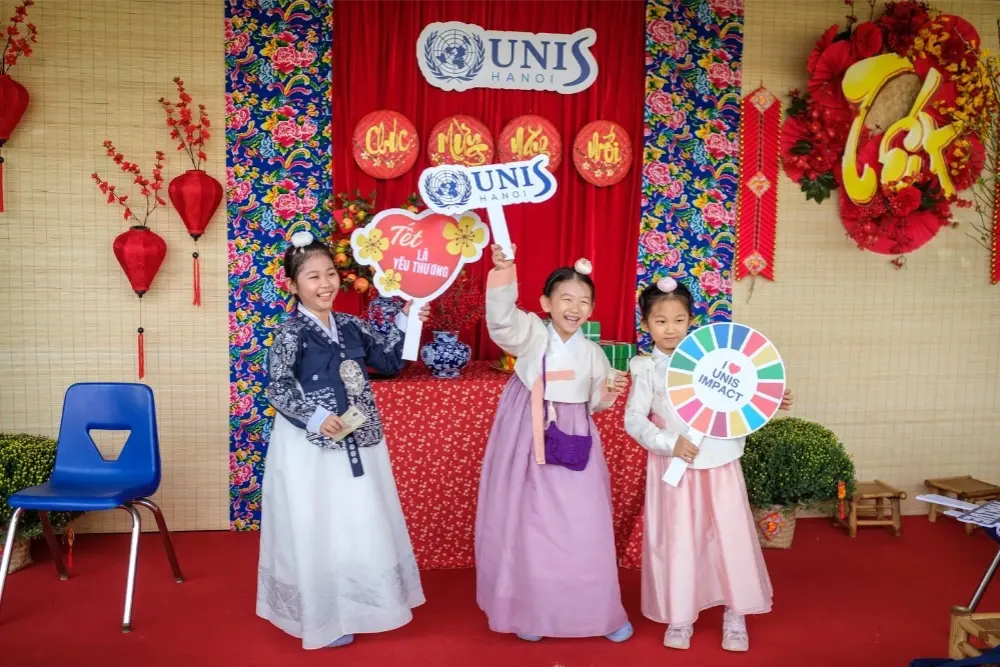
We learn internationalism at UNIS Hanoi by integrating culture discovery into our language class. We teach students about global food, celebrations, conversations, literature, and music to foster empathy and appreciation for diversity.
8. Offers New Relationships and Networking Opportunities
Language learning opens doors to new friends, partnerships, and networks. Through international school exchange, after-school clubs, or online language projects, bilingual students create global connections across boundaries and cultures.

UNIS Hanoi gives students frequent chances to explore intercultural interests and global discussion, and construct authentic personal and academic connections.
9. Improves Your First Language
Acquiring a second language can enhance one’s understanding of their native language. Students learn to interpret sentence structure, detect language nuances, and convey themselves better. Practice enhances their vocabulary, grammar, and stylistic writing in their home language.

UNIS Hanoi language teaching enables double-language development, with students learning to craft the form and use of their first and second languages.
10. Offers Future Career Opportunities
In the modern workplace, bilingual and multilingual job candidates can have a profound advantage.
Many industries, including education, international relations, healthcare, finance, and technology, seek employees who can communicate across cultures. Language proficiency also communicates flexibility, thinking skills, and a global mindset.
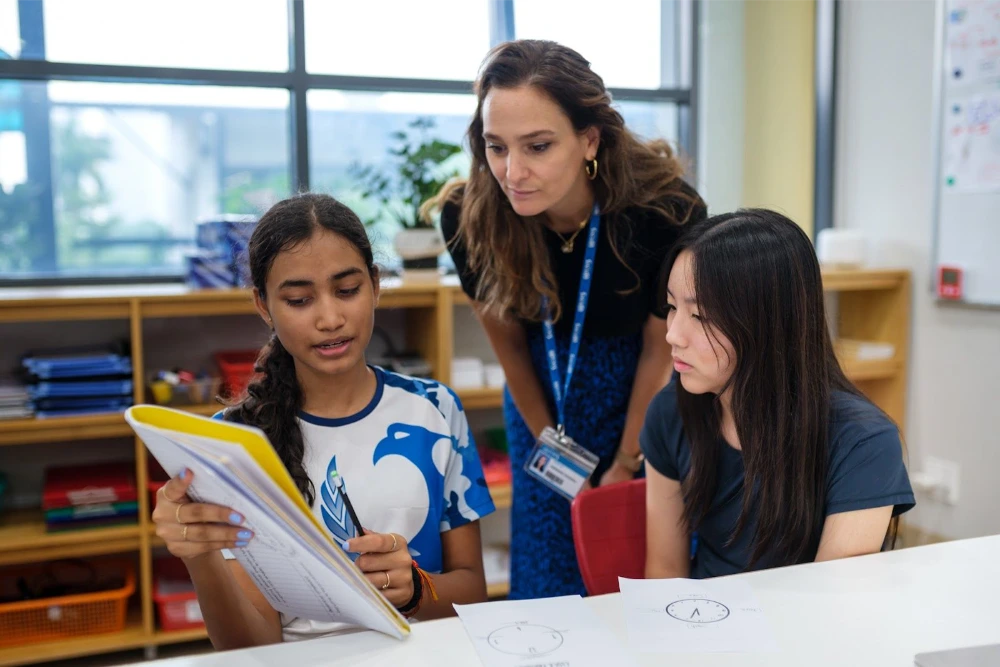
At UNIS Hanoi, we prepare students for international careers by nurturing language skills alongside cross-cultural competence, ensuring they are well-prepared to contribute to and lead in a globalised workforce.
How UNIS Hanoi Supports English as an Additional Language
UNIS Hanoi’s English as an Additional Language (EAL) programme welcomes students from around the world. It is responsive, student-centred, and grounded in best practice so every child can thrive.

EAL teachers work closely with classroom teachers, counsellors, and parents to tailor support. Instruction is adapted so students at all proficiency levels can access lessons, join discussions, and communicate with confidence.
We use ongoing, formative assessment to adjust the curriculum as students grow. Peer teaching, group work, and active learning strategies all help build competency and confidence.
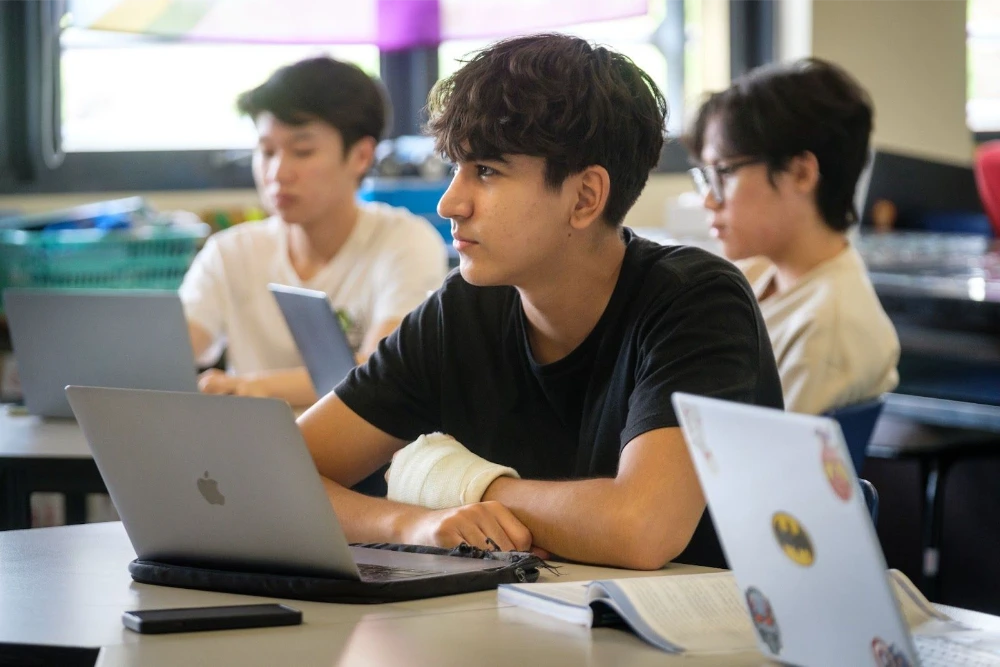
Our multilingual policy honours the role of a student’s home language in their identity and learning. We encourage children to keep developing their mother tongue alongside English.
Prepare Your Child for Global Opportunities with UNIS Hanoi
The benefits of learning a second language are profound, far-reaching, and enduring. At UNIS Hanoi, we believe in the transformative power of language learning.
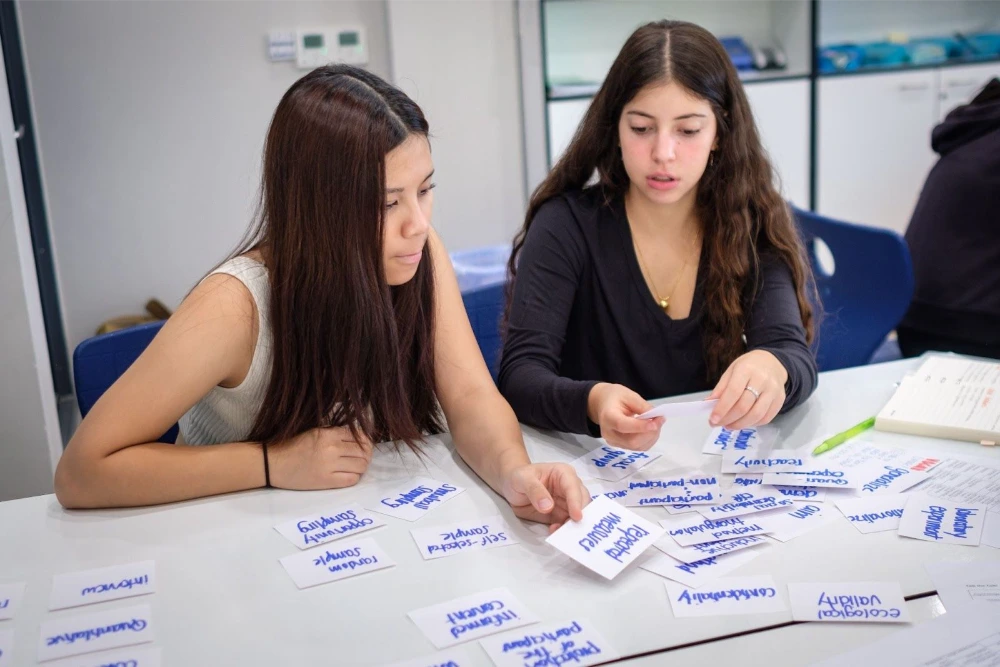
Our open and global-oriented curriculum enables students to discover the world through language, culture, and communication. Enroll your child at UNIS Hanoi today and give them the opportunity to unlock their potential in an increasingly interconnected world!
Author Profile

- UNIS Hanoi is ever-evolving, but one thing that remains is our passion to nurture and equip students to be agents of change for a better world.
Latest entries
 UNIS Hanoi Address1 Jan 2026Reflection Questions for Students: A Practical Guide to Deeper Learning
 Calendar, News and Publications14 Dec 2025UNIS Hanoi: Leading the Way in Multicultural Environmental Education
 Calendar, News and Publications30 Oct 2025What is an IB School? A Complete Guide for Parents
 Calendar, News and Publications29 Oct 2025School Tour at UNIS Hanoi – A Comprehensive Guide for Parents
FAQs
What are the biggest benefits of learning a second language for children?
The top benefits are stronger literacy and academic performance, sharper memory, improved multitasking, better communication, higher self-confidence, deeper cultural awareness, new friendships, a stronger first language, and better career opportunities.
At what age should children start learning a second language?
Earlier is easier, but it is never too late. Young children pick up accents and grammar naturally, while older students benefit from stronger analytical skills. Consistent daily exposure matters more than age.
Does learning a second language confuse young children?
No. Research shows bilingual children may mix words briefly but quickly sort the two languages into separate systems, and they often develop stronger cognitive flexibility in the long run.
How does UNIS Hanoi support non-native English speakers?
Our English as an Additional Language (EAL) programme provides tailored support inside and outside the regular classroom, with EAL specialists working alongside subject teachers, counsellors, and families.
Can bilingualism slow down first-language development?
No. Most research shows bilingualism supports first-language skills. Students often notice grammar and vocabulary patterns in their home language more clearly thanks to their second language.
What languages can students learn at UNIS Hanoi?
Students learn English alongside other languages offered through our IB curriculum, including Vietnamese and world languages in the Middle School and Diploma Programme.