
Active learning turns a classroom into a workshop. Students ask questions, work through problems, and build ideas together. The result is deeper understanding and stronger skills for life beyond school.
At UNIS Hanoi, active learning sits at the heart of our International Baccalaureate curriculum. This article explains what active learning is, its five main benefits, and the nine strategies we use to help students become engaged, reflective learners.
Quick answer: Active learning strategies put students at the centre of the lesson. Instead of listening passively, they think, discuss, and create. At UNIS Hanoi, we use nine proven strategies such as think-pair-share, case studies, gallery walks, problem-based learning, learning circles, role-play, debates, experiential learning, and field trips, etc. across our IB Programmes to build critical thinkers and confident collaborators.
What is Active Learning?
Active learning promotes students’ learning involvement through thinking, discussing, or creating during lessons instead of passively receiving information. It enables learners to be accountable for knowledge construction, nurture skills’ mastery, and understand things more deeply.
Active learning shifts away from traditional instruction by engaging students in problem-solving, discussion, and collaboration, making learning more interactive and student-centered.
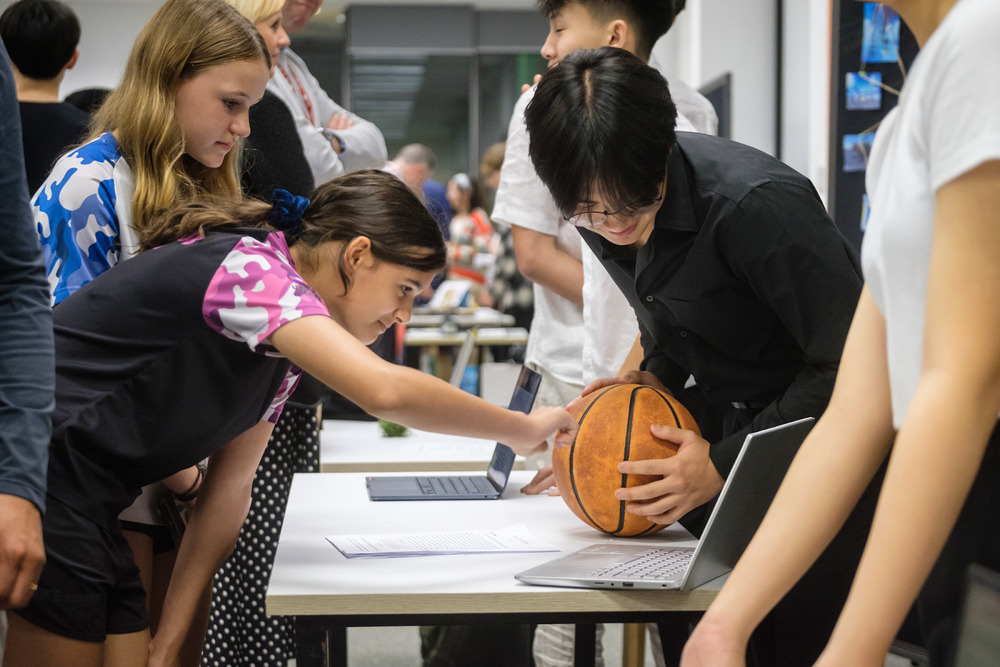
Active listening focuses on integrating new concepts with experiences, helping learners build deeper, longer-lasting understanding.
At UNIS Hanoi, we incorporate inquiry-based learning along with project-based learning. Our approach enables students to reflect and actively engage with their learning in the context of the IB curriculum.
5 Benefits of Active Learning Strategies
Active learning strategies build skills that matter far beyond the next test. They support life skills that help students succeed at school and in life.
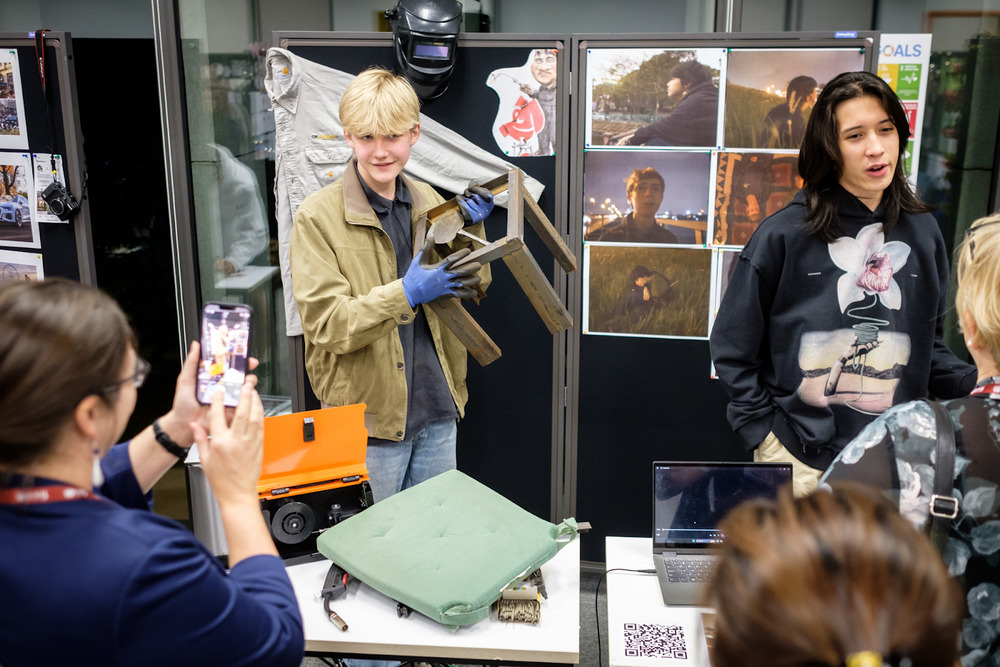
Key benefits include:
- Better retention. Students remember more when they discuss, analyse, and create with information rather than just hear it.
- Stronger critical thinking. Debates, case studies, and real-world problems push students to weigh evidence and justify their conclusions.
- Collaboration skills. Group activities like think-pair-share and learning circles teach cooperation and respect for different viewpoints.
- Higher engagement. Interactive lessons hold attention and support different learning styles — visual, auditory, and hands-on.
- A love of learning. Active learning builds curiosity and self-direction, two traits that fuel lifelong growth.
9 Active Learning Strategies to Engage Students
These nine strategies are used across UNIS Hanoi’s IB inquiry units, service learning, and faculty development.
1. Think-Pair-Share
Think-pair-share has three simple steps. First, students think alone about a prompt. Next, they share with a partner. Finally, they share with the class. This balance of quiet thinking and peer talk builds confidence and deepens understanding.
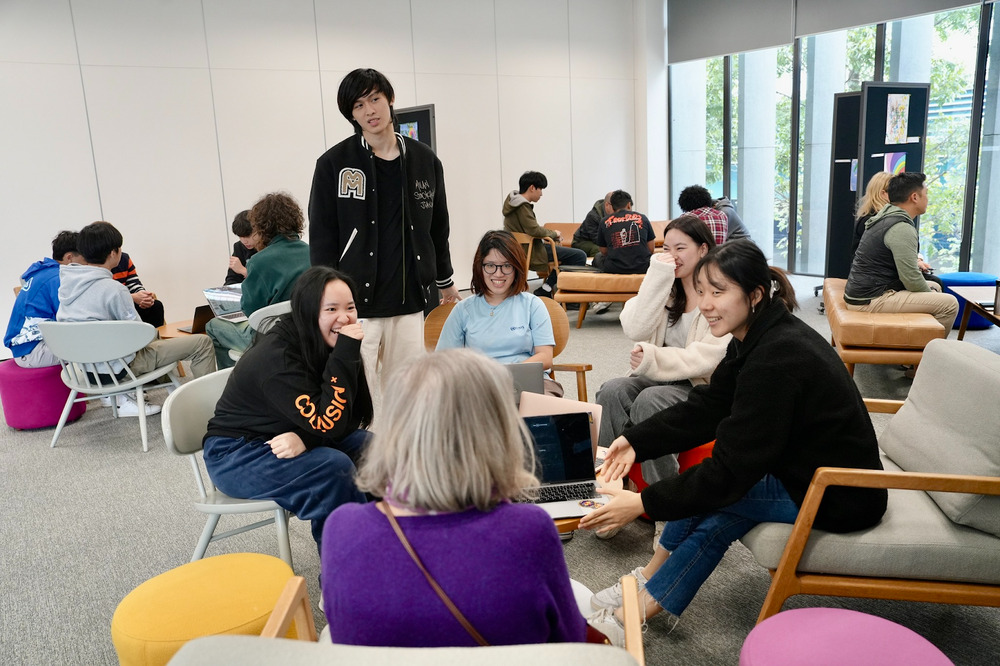
At UNIS Hanoi, teachers use think-pair-share often in IB inquiry units. A provocative question sparks pair discussion before opening up to the whole class, which supports formative assessment and engagement.
2. Case Studies
Case studies put students inside real-world situations. They apply theory, weigh evidence, and propose solutions backed by data.
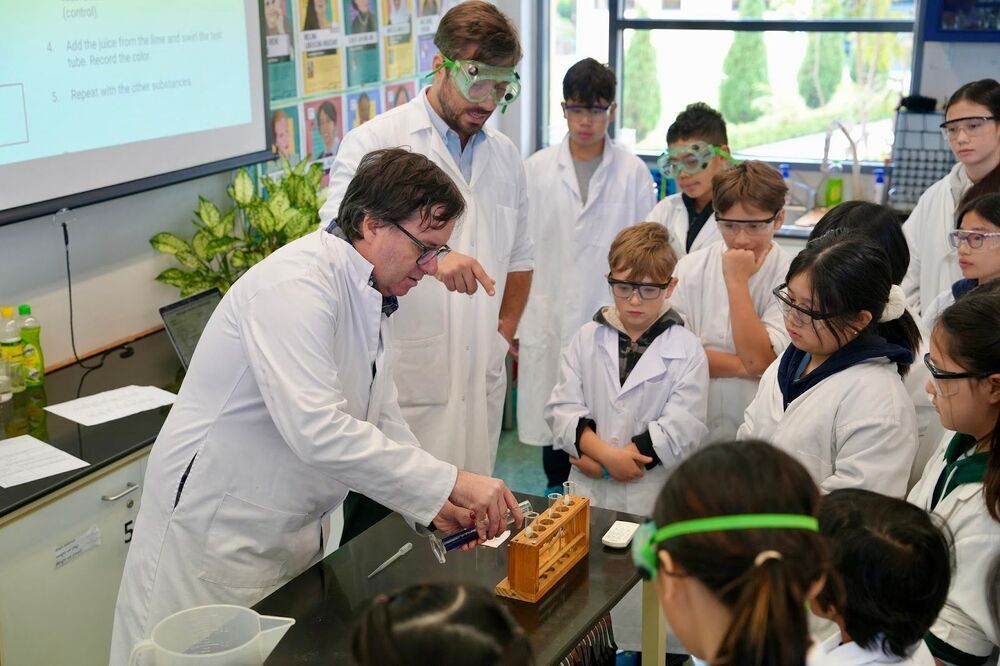
In the Diploma Programme, UNIS Hanoi uses case studies about global issues — like sustainability or ethical dilemmas in biotechnology — in Theory of Knowledge and subject courses. Students work in small groups to research, debate, and co-author solutions, mirroring real professional teams.
3. Posters and Gallery Walks
Students create posters, infographics, or concept maps and display them around the room. Classmates walk around, read each one, and leave questions or comments on sticky notes. This blends visual learning with peer feedback and gets students moving.
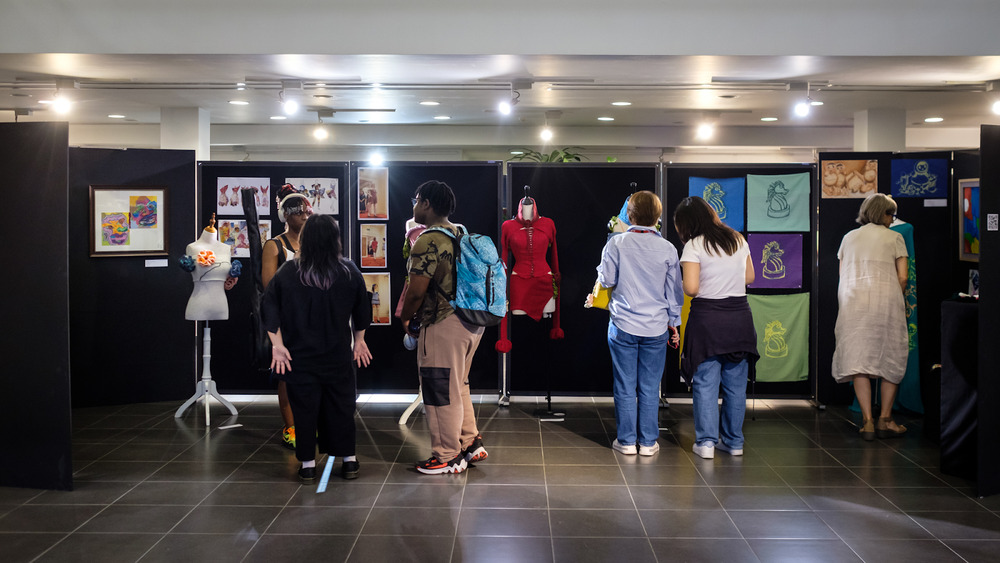
In Middle School service-learning, UNIS Hanoi students design action-plan posters on UN Sustainable Development Goals. Gallery walks help them gather feedback and refine their reflection before acting.
4. Problem-Based Learning (PBL)
Problem-based learning starts with a real, complex problem. Students identify what they need to know, research, and collaborate to propose solutions.
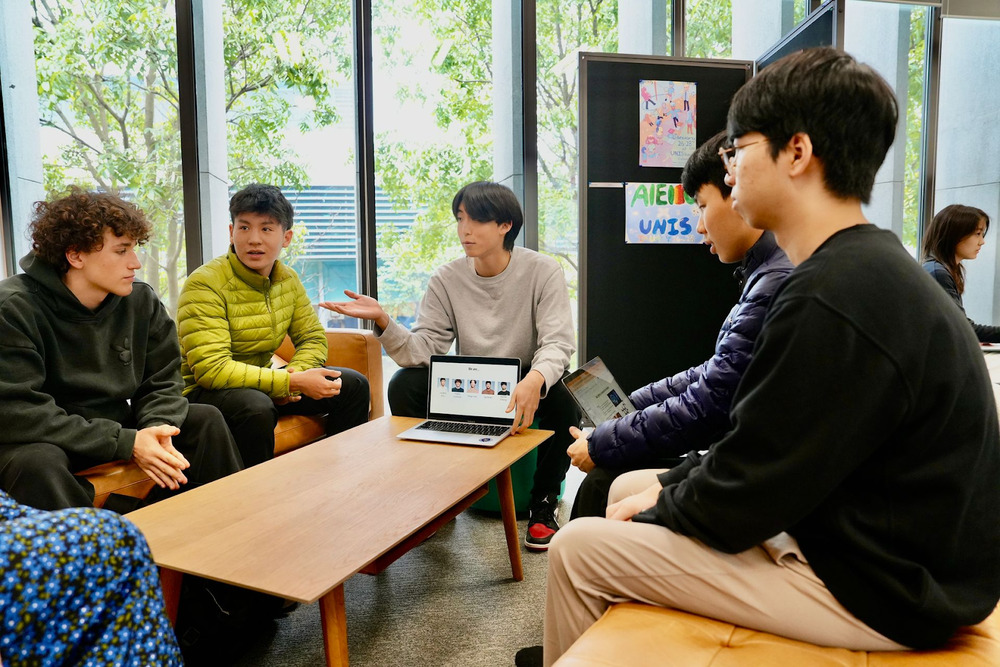
At UNIS Hanoi, students investigate local environmental issues — water quality, for example — then design experiments, collect data, and present findings to the community. It is scientific inquiry meeting civic engagement.
5. Learning Circles and Communities
Learning circles are small groups that meet in cycles of discussion, feedback, and reflection. They deepen understanding through shared thinking.

At UNIS Hanoi, our Professional Learning Communities use the same approach for faculty. Teachers use gallery walks, debates, and stations together, refining their practice with peer feedback.
6. Role-Play
Role-play asks students to take on a character or viewpoint. They build empathy, practise negotiation, and sharpen problem-solving skills.
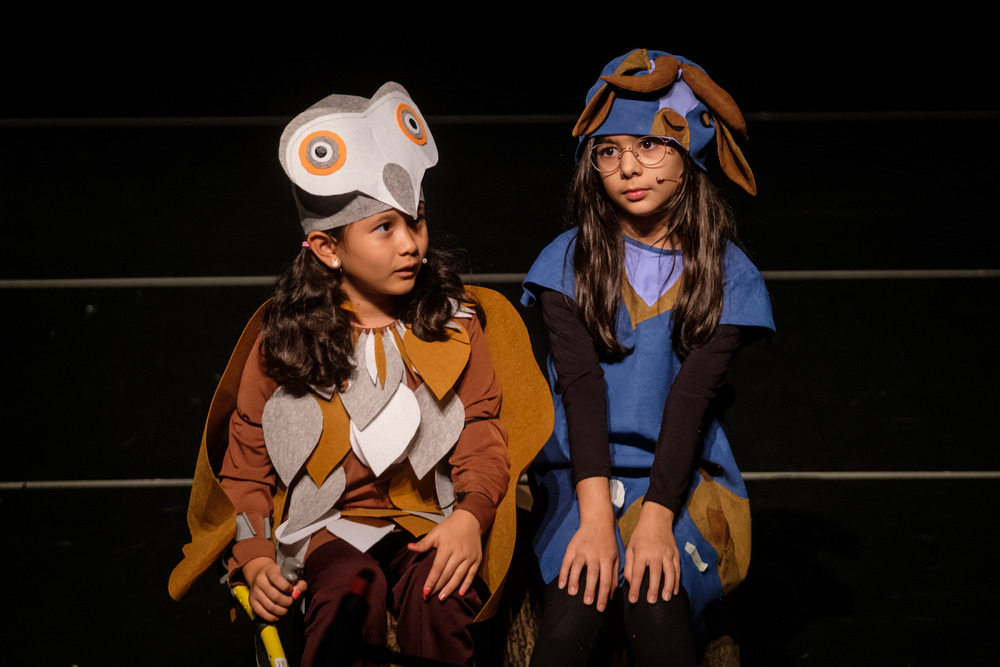
In UNIS Hanoi classrooms, students run mock trials, diplomatic negotiations, and intercultural dialogues. These practise subject-specific vocabulary in authentic situations and reinforce IB Learner Profile attributes.
7. Debates and Discussions
Structured debates build critical thinking and public speaking. Students research positions, build evidence-based arguments, and respond to rebuttals.
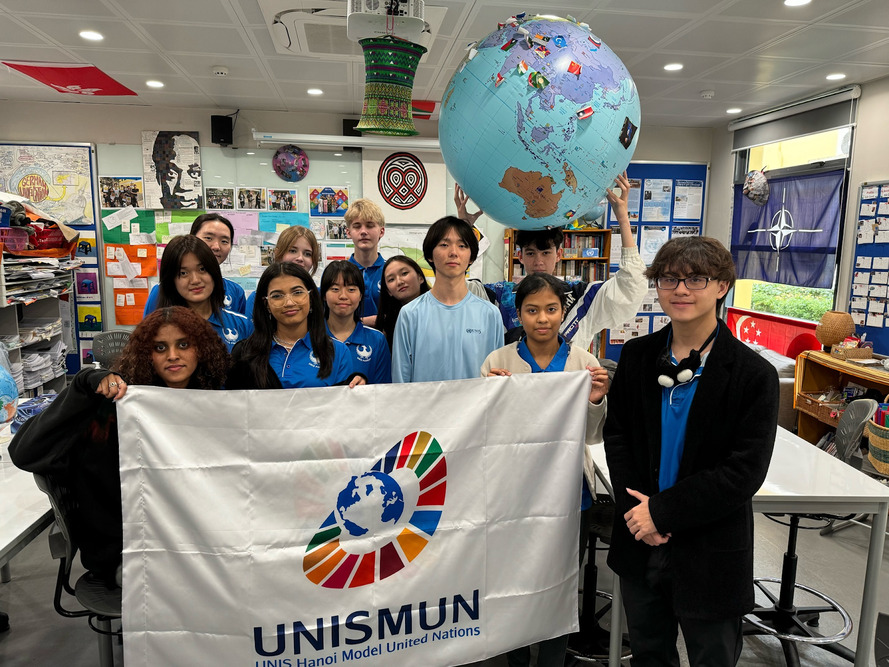
UNIS Hanoi MYP and DP students regularly take part in Model United Nations. They debate climate policy, human rights, and other global issues — and reflect on the real-world impact of their proposals.
8. Experiential Learning
Experiential learning is learning by doing: lab experiments, simulations, and service projects. Students connect theory to action and then reflect on what happened.
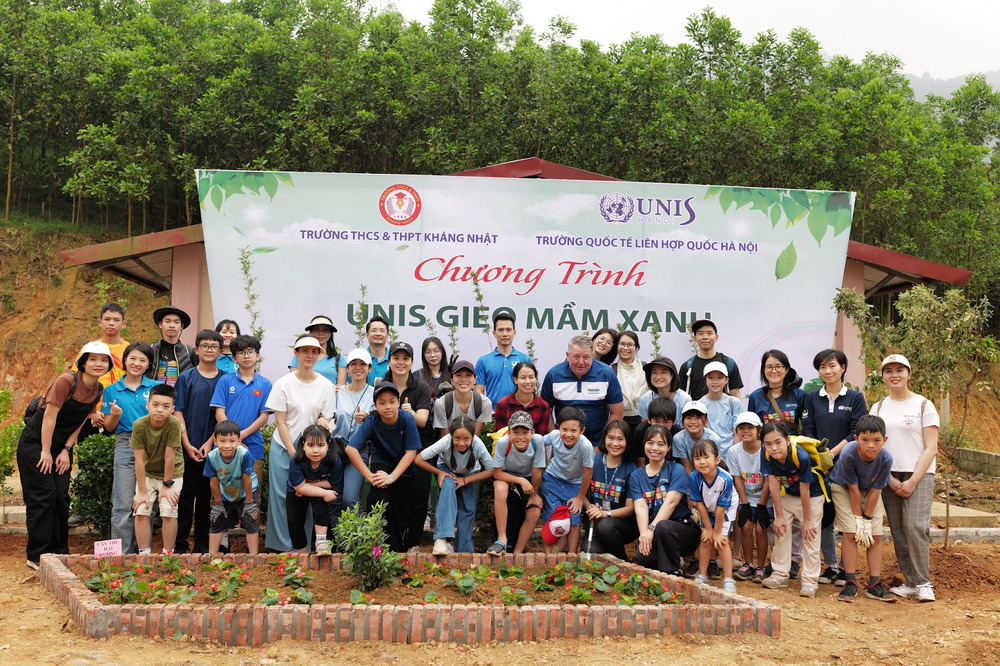
UNIS Hanoi’s Service Learning Programme partners students with community organisations to run workshops, environmental clean-ups, and educational events. Reflection turns those experiences into lasting lessons on leadership.
9. Field Trips and Site Visits
Field trips take learning out of the classroom and into museums, ecosystems, and workplaces. Real-world settings make classroom concepts come alive.
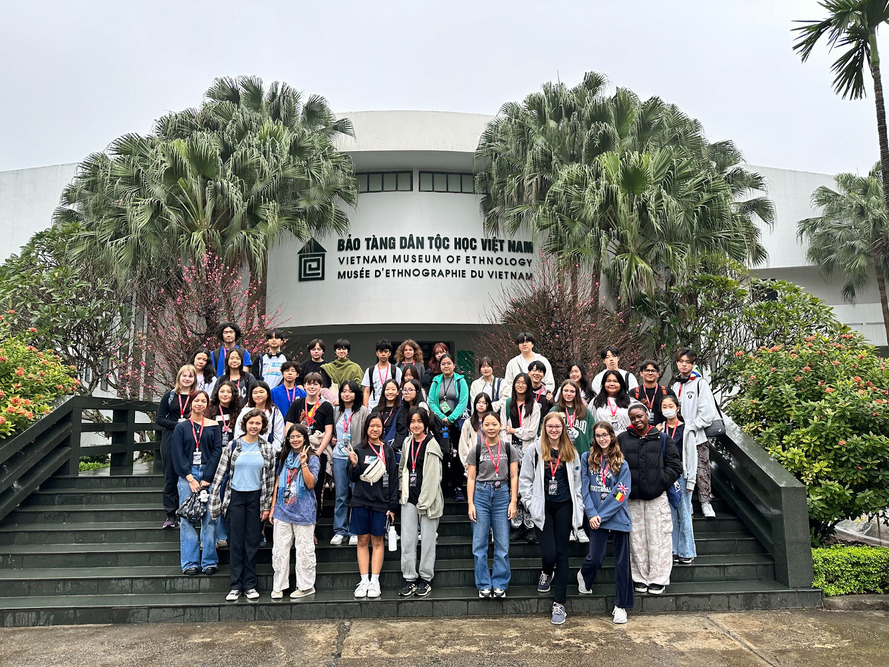
UNIS Hanoi organises grade-level expeditions — like biodiversity studies at Cuc Phuong National Park or service projects with local NGOs. Students collect data, consult experts, and fold what they see into IB assessment tasks.
How UNIS Hanoi Brings Active Learning to Life
At UNIS Hanoi, inquiry, collaboration, and reflection drive every lesson. Our IB curriculum weaves in active learning strategies — from project-based units to immersive service learning — so students grow into critical thinkers, effective communicators, and responsible global citizens.
Discover how your child can thrive in this hands-on, student-centred environment. Visit our admissions page to learn more and apply.
Author Profile
- UNIS Hanoi is ever-evolving, but one thing that remains is our passion to nurture and equip students to be agents of change for a better world.
Latest entries
 UNIS Hanoi Address1 Jan 2026Reflection Questions for Students: A Practical Guide to Deeper Learning
 Calendar, News and Publications14 Dec 2025UNIS Hanoi: Leading the Way in Multicultural Environmental Education
 Calendar, News and Publications30 Oct 2025What is an IB School? A Complete Guide for Parents
 Calendar, News and Publications29 Oct 2025School Tour at UNIS Hanoi – A Comprehensive Guide for Parents
FAQs
What are active learning strategies?
Active learning strategies are teaching methods that ask students to think, discuss, and create during lessons. Examples include think-pair-share, case studies, problem-based learning, role-play, and debates.
Why is active learning better than lecture-only teaching?
Active learning improves memory, critical thinking, and engagement. Students remember information more deeply when they work with it rather than just listen.
What is the difference between active learning and inquiry-based learning?
Inquiry-based learning is one type of active learning. It starts with a question or problem that students investigate. Active learning is the broader family — any strategy that puts students at the centre of the lesson.
How does UNIS Hanoi use active learning in the IB Programme?
UNIS Hanoi embeds active learning across all IB programmes, from the PYP to the Diploma. Students use inquiry units, service learning, Model UN, case studies, and field trips to connect classroom learning with real-world issues.
Can active learning work for younger students?
Yes. Think-pair-share, role-play, and hands-on experiments work just as well in Elementary as they do in Secondary. UNIS Hanoi uses them at every grade level.
How can parents support active learning at home?
Ask open questions, invite your child to explain their thinking, and connect school topics to real-world experiences — like cooking, nature walks, or family trips.